Table of Content
Sore throat is a symptom of some varieties of COVID-19, although each variant of the illness has unique symptoms, and not all include a sore throat. The same variant can cause different symptoms in each infected person. Chicken soups are not only good food for winter seasons but are also necessary if you are fighting off cobblestone throat. In case you are suffering from a sore throat then you should try chicken soup.
Throat lozenges containing menthol, pectin, zinc, and other ingredients can temporarily relieve a sore throat. Drink warm broth — bone broth calms a sore throat and is also high in protein and other essential nutrients. A painful throat can also be caused by smoking, vaping, or exposure to airborne pollutants.
Allergies
It can also assist with cold symptoms if the infection is caused by mucus build-up in the throat. The allergy that produces swelling and inflammation of the tissue at the lower back of the throat is the core cause. It could require specialized therapy, such as nasal sprays or tablets. Viruses that cause cobblestone throat are frequently the same ones that cause a common cold or flu. Healthline has strict sourcing guidelines and relies on peer-reviewed studies, academic research institutions, and medical associations.
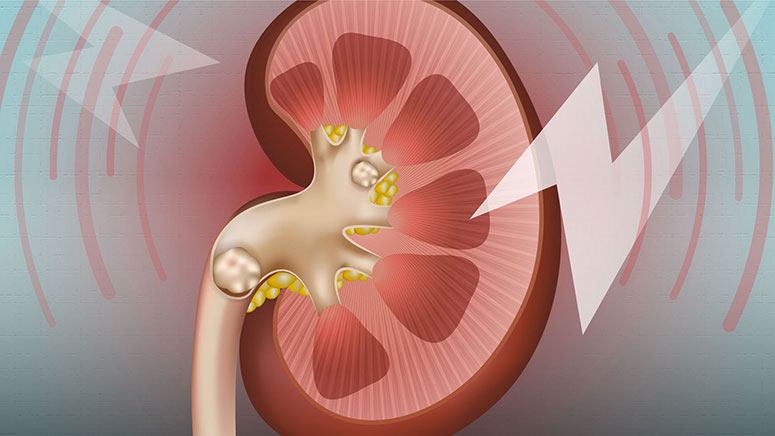
You may also want to check with your doctor if you notice a persistent cobblestone throat. Patients with cobblestone throat may be advised to avoid acidic foods that can increase throat irritation and stomach acid production. Citrus fruits, tomatoes, chocolate, caffeine, alcoholic beverages, and peppermint may all contribute to throat irritation. In addition, patients may wish to limit their intake of dairy products, fried foods, and foods high in fat during the time they are ill with cobblestone throat. Keeping a food diary and checking food labels closely will help patients cut down their intake of these irritating foods. In particular, patients should closely read the labels on any boxed foods and ask about potential irritants when dining out at restaurants.
Living with cobblestone throat
Unlike many other common conditions, cobblestone throat does not require antibiotics. The main aim of treatment is to relieve the cause of the problem, which is often an allergy. This itchiness is often accompanied by dryness and itching in the throat. Once the cause of cobblestone throat is identified, a variety of over-the-counter medications can help. Over-the-counter medications such as decongestants and antihistamines can be used to break up the extra mucus in the throat. For patients with nasal congestion, steroid-containing nasal sprays can be used to treat this condition.
If pharyngitis lingers on for more than a few weeks it is known as chronic pharyngitis. A postnatal drip occurs when excess mucus is produced by the glands in your throat and nose. You may feel it trickle or drip down the back of your throat. Keeping your throat hydrated is important when trying to treat any type of sore throat. Be sure to drink plenty of water, herbal tea, or other clear fluids throughout the day.
Symptoms of Cobblestone Throat: What Does it Feel Like?
They’ll also ask you about your symptoms and medical history. An ongoing sore throat accompanied by abnormal symptoms can signify a serious health condition, such as throat cancer. These irritants can also cause post-nasal drip, where excess mucus builds up in the nose and sinuses and drips down the back of the throat. The most common bacterial cause of cobblestone throat is group A streptococcus. These bumps develop as part of your body’s natural response to infection or irritation.
When it concerns more chronic ailments as well as conditions, there are numerous home remedies to take into consideration. For example, there are a number of good herbs for varicose blood vessels as well as spider veins, which will provide you remedy for the unpleasant problem. There are many tasty natural herbs that can aid alleviate muscle mass pains as well as discomforts. However, you need to be wary about taking Valerian root if you’re on any kind of kind of drug, especially prescription medicines. Similar to any kind of medicine, using organic solutions to deal with ailments can often have significant adverse effects. Patients should mention any over-the-counter medicines and herbal remedies they are taking as well.
Since it can be hard to stick to an elimination diet independently, patients may wish to consult a nutritionist who specializes in digestive disorders. They can provide meal plans that eliminate triggering foods and reduce the pain and other symptoms of cobblestone throat. Depending on the cause of your symptoms, OTC medications and home remedies may be enough to resolve a cobblestone throat.
Once diagnosed, a doctor can recommend a treatment that will help you feel better quickly. Cobblestone throat is a condition characterized by throat irritation and swelling of the tonsils and adenoids. The most common cause of cobblestone throat is postnasal drip, an ailment that occurs when an excessive amount of mucus drips down the back of the throat. This can develop due to seasonal allergies, the common cold, influenza, and laryngopharyngeal reflux. A sore throat can take on a cobblestone appearance, with redness and swelling. Sore throats can be caused by bacterial or viral infections or result from other illnesses or irritations.
Cobblestone throat is a condition that can last for weeks or even months. The best way to treat it is to see your doctor as soon as possible. Cobblestone in the throat is a condition where the throat feels like there is a small stone or lump lodged in it. A humidifier can help to add moisture to the air, which can be beneficial for a sore throat.
You can also try nasal sprays if you are suffering from cobblestone disease due to allergies. Lauren completed a bachelor's degree in biopsychology from The College of New Jersey and non-degree graduate coursework in public health at Princeton University. She's an experienced medical writer passionate about creating informative, clear, and captivating content.
It typically results in a sore, scratchy throat and may cause difficulty swallowing. They can help with nasal congestion, throat soreness, and irritation from little bumps in the back of the throat. In addition to hydrating you and encouraging nasal mucus discharge to hasten your recovery, the hot liquid’s salt content promotes fluid retention in the tissues. Gargle with one cup of hot water that has been diluted with half a teaspoon each of salt and turmeric for a sore throat.

Aside from antibiotics, some treatments for cobblestone throat may involve hydration and vitamin supplements. Herbal teas are another good choice for soothing your cobblestone throat. Try mixing one tablespoon of honey in four ounces of warm water. You should then gargle with this solution several times a day. It will help draw mucus from the throat and relieve your sore throat. Just be sure to gargle with the solution and gargle your throat.
A person may complain of having nasal congestion and a sensation of mucus dripping from the back of their nose. When a healthcare provider does an examination, they may see mucus dripping into the throat and inflammation in the nose and throat. A combination of symptoms and a physical examination can help your healthcare provider diagnose postnasal drip. Most people with a cobblestone throat have pharyngitis, which causes the throat to feel swollen, painful, and irritated. Several different conditions can cause pharyngitis, but it is most commonly due to a viral or bacterial infection, such as the flu or common cold.

The doctor will also examine the patient's mouth and throat to assess the severity of any symptoms. If the clinician feels a medicine may be triggering the patient's symptoms, a change in medication may be recommended. Normally, patients can be prescribed another drug in the same class of medications, though they may also wish to explore alternative medicine possibilities. Lack of sufficient sleep can interfere with the hormones that regulate appetite, causing patients to feel hungry and crave sugary, high-fat foods. For patients who have serious difficulty losing weight, prescription medications to suppress appetite and block the absorption of dietary fat may be appropriate.


No comments:
Post a Comment